Legal & documents
Warehouse or Godown for Rent in Lahore: What to Check Before You Sign
Renting a warehouse or godown in Lahore? Check power, truck access, ceiling height, fire safety, title and the written agreement before you pay.
Updated 15 Oct 2026 · 7 min read · By the RentNest Lahore team
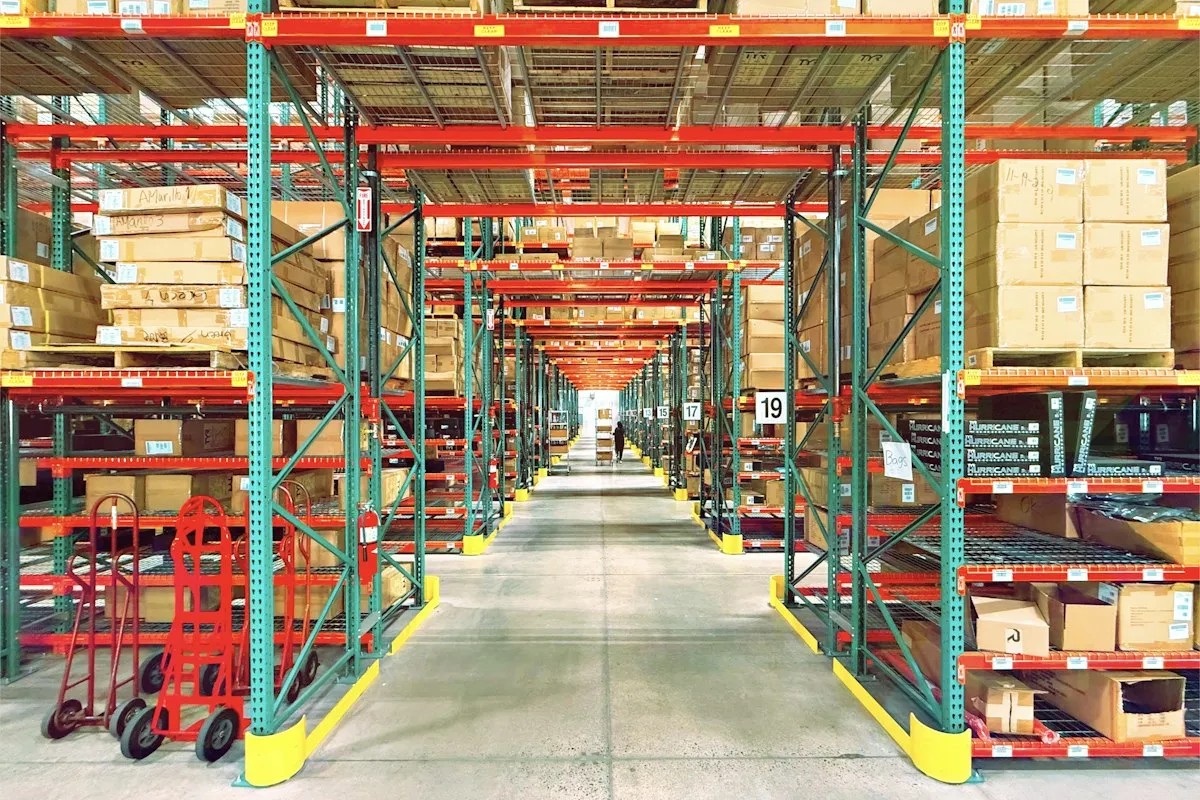
A warehouse, godown or storage hall is different from a shop or office. What matters is not the address on a nice street but whether a loaded truck can reach the door, whether the power can run your equipment, and whether the roof and floor can hold your stock. A wrong choice is expensive to fix and hard to leave. Use this checklist before you pay the advance.
Where warehouses are found
Listings and searches for Lahore warehouses and godowns commonly name areas on Multan Road, Thokar Niaz Baig, Saggian, GT Road, Gajju Matah, Defence Road and Sundar Industrial Estate. Sizes range from small rooms to 1 kanal, 4 kanal and large covered halls measured in square feet. Rent depends on the size, the area and the road, so compare current warehouses for rent rather than one listing.
1. Access for trucks
- Drive the route yourself with the vehicle size you will use. Check narrow turns, low wires, speed bumps and markets on the way.
- Listings often highlight a wide road. Some mention that a road of about 30 to 40 feet suits container trucks. Confirm this by measuring, not by the advert.
- Look at the gate or shutter. A wide roll-up shutter lets a truck or loader drive in. Check the height and width against your vehicles.
- Ask where trucks can park and turn, and whether the road is blocked at certain hours.
2. Power and utilities
- Ask for the type of connection. Some industrial listings mention a three-phase connection for heavy machinery. A shop-type single-phase meter will not run large machines.
- Ask for the sanctioned load and, if there is a transformer on site, its capacity. One large listing mentions a 200 kVA transformer. Compare with the load of your equipment.
- Check whose name the electricity meter is in and ask to see recent bills. See LESCO and SNGPL bills for tenants.
- Ask about water supply, washrooms for staff and drainage.
- Ask about backup power and whether you can add your own generator.
3. The building itself
- Ceiling height. Measure it if you plan to use racking or stack pallets. Some listings quote a clear height, others do not.
- Floor. A flat, strong floor matters for forklifts and heavy goods. Look for cracks and damp.
- Roof and walls. Check for leaks, especially after rain. Ask to visit after rain if you can.
- Ventilation and light. Needed for stock that must stay dry or for people working inside.
- Boundary wall and gate. A walled, gated compound is safer than an open plot.
- Loading area. A raised platform or space for a loader saves time and damage.
4. Fire safety and security
A government tender for warehouse space in Punjab that we read asked for fire-fighting arrangements, a wide road for heavy transport, the owner's registry documents and no ongoing litigation. Those are sensible baseline checks for any large warehouse, even a private one.
- Look for fire extinguishers and ask who maintains them. Never store stock in front of exits.
- Check the wiring. Old or overloaded wiring is a common cause of warehouse fires.
- Ask about night security: a guard, lights, cameras and who pays.
- Check what insurance covers if your stock is damaged, and whether the owner's policy covers anything.
5. Ownership and the agreement
The Punjab Rented Premises Act, 2009 covers buildings let for residential or non-residential purposes, so a warehouse is included. Our guides to the rent agreement format and registering a rent agreement in Punjab explain the steps.
- Deal with the owner or someone with written authority. Keep a copy of their CNIC and ask to see the ownership document or registry.
- Ask whether there is any dispute or court case over the property.
- Write the purpose of use, for example "storage of garments", and list anything you may not store. Using the premises for a different purpose is a ground for eviction under Section 15 of the Act.
- Agree the yearly increase. See how much rent goes up each year.
- State who pays maintenance, repairs, property taxes and utilities.
- Agree whether you can add shelving, partitions or a mezzanine, and who owns them at the end.
- Check whether you can sub-let part of the space. Sub-letting without written consent is also a ground for eviction.
- Agree the notice period and the security deposit. See security deposit and advance rent.
6. Questions that save money later
- Is there an approved use for this plot, or is it in a residential area where neighbours or the authority may object to trucks and noise?
- What are the opening hours of the area, and are there limits on night loading?
- Can you get a business license or registration with this address? Ask your adviser.
- Who is responsible if the roof leaks and damages stock?
What we could not verify
- Typical rent per square foot or per kanal in each part of Lahore.
- Zoning and approval rules for specific areas, and whether a plot is approved for storage use.
- Withholding tax rules for businesses that pay rent. Ask your tax adviser.
- Insurance products available for stored goods.
This guide is general information, not legal advice. Laws and procedures can change. For a specific situation, speak to a qualified lawyer or the relevant office.
Frequently asked questions
What should I check before renting a warehouse in Lahore?
Truck access and road width, shutter size, power type and load, ceiling height, floor and roof condition, fire safety, security, the owner's documents and a clear written agreement.
Do I need a three-phase connection for a warehouse?
If you run heavy machinery, yes. Some industrial listings mention a three-phase connection. A single-phase meter suits light storage only. Check your equipment's needs and the sanctioned load.
Does the Punjab Rented Premises Act cover warehouses?
Yes. The Act covers buildings let for residential or non-residential purposes, so warehouses and godowns are included.
How do I know the owner is genuine?
Ask for the owner's CNIC and the ownership or registry document, deal with the owner or someone with written authority, and ask whether any dispute or case is pending on the property.